

Family device planning tends to happen reactively, one purchase at a time, whenever something breaks or a kid hits a new stage. The Boxing Day sales are a chance to do it properly, once, for the whole year.
It's a bit like doing the groceries once for the week instead of five separate trips whenever something runs out. Same total spend, far less friction, and rarely any need to run back out for something you forgot the first time.
Sitting down once with the whole family in mind tends to produce better decisions than a string of rushed ones made throughout the year.
Picture three kids at three different stages: one about to get a first Loop, one who's had an Adventurer 2 for a year, and a teenager angling for a phone before high school starts properly. Sorted separately, that's three research sessions, three moments of decision fatigue, and three separate chances to buy the wrong thing under time pressure. Sorted together, over one sale weekend, it's a single conversation with a clear list at the end of it.
A rushed decision made in a shopping centre car park in March, because a watch died and there's no time to compare anything properly, tends to cost more and suit the family less well than something chosen calmly over a cup of coffee in the last week of December.
Not every kid in the house needs the same thing this year, or needs it at the same time, which is exactly why this works better as one planning session than five separate ones.
Grab a notepad, or just a blank note on your phone, and go through each kid in turn. Write down what device stage they're actually at, not what stage you assumed they'd be at back in January. Kids move through these stages at their own pace, and the plan that suited them at the start of the year isn't always the one that still fits by December.

Start with whoever's about to need a first device, and match the model to their stage rather than defaulting to whatever a sibling already has.
This is often the kid who's just started walking to a friend's place alone, riding to training without an adult alongside, or moving into a classroom that doesn't send a note home for every small thing. If you're not sure whether they're actually ready, our age-by-age guide is worth ten minutes before you commit to a model.
For a tween already on a watch, this is the moment to check whether their current model and plan still suit them, or whether an upgrade makes sense.
A watch bought two years ago for a seven-year-old might not fit what an increasingly independent nine or ten-year-old actually needs day to day. Check whether the plan still has enough left in it for how they're using calling and location awareness now, not how they were using it when the watch was new.
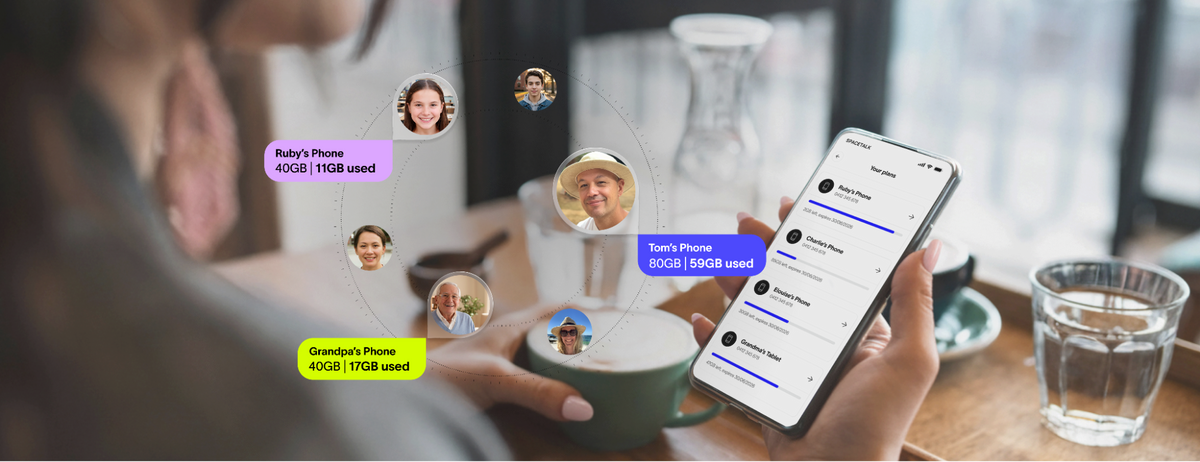
If a teen's moving to a phone this year, family mobile plans australia households use through Spacetalk are worth mapping into the same plan.
This is usually the trickiest one to plan for, since it depends on decisions that sit outside a shopping cart, things like school policy, how much independence feels right, and what their friends are already doing. It's worth mapping the rough shape of it now, even if the actual purchase is still months away, so it doesn't land as a rushed decision made later in the year.
It's also worth having a rough sense of which plan size would suit a teen once they do make that move, even months out. Data needs tend to be fairly predictable once you know how a teen actually uses a phone day to day, checking messages between classes, streaming music on the bus, the odd video call to a friend, rather than anything unpredictable.
Choosing Watch Plan lengths that roughly track the school year means fewer awkward mid-term renewals.
A plan bought in late December that runs a full year will renew in late December the following year, not in the middle of Term 2 when nobody's thinking about it. That timing alone is worth factoring in when comparing options, on top of whatever else makes a particular length suit your family.
Renewal dates that fall near school holidays, rather than mid-term, are simply easier to manage and remember.
A renewal that lands in the school holidays gives you a quiet moment to actually notice the reminder, rather than one that arrives mid-week during a busy fortnight and gets missed until the plan's already lapsed.

Lock in devices and plans for what you know for certain this year. Leave more flexible decisions, like a teen's eventual move to a phone, until closer to the actual moment.
Locking something in doesn't mean locking it in forever. It means making the calls you already have enough information for now, so that a smaller number of genuinely uncertain decisions, like exactly when a teen moves off a watch and onto a phone, are the only ones left hanging over the rest of the year.
A good rule of thumb: if you can picture the exact scenario a device will be used for, a first watch for the school run, a longer plan for a tween who's clearly settled into theirs, lock it in now while the pricing's good. If you're still picturing three or four different scenarios for the same kid, leave it and revisit closer to the time.
One planning session now can save a year of piecemeal decisions made under pressure. Explore Spacetalk Mobile Plans alongside the Watch range.

Explore Spacetalk
Smartwatch · Kids
Spacetalk Watch Range
Match the model to each kid's stage rather than defaulting to whatever a sibling already has.
Shop nowPlans · Family
Watch Plans
Watch Plan lengths that roughly track the school year mean fewer awkward mid-term renewals.
Shop nowPlans · Family
Mobile Plans
Worth mapping into the same plan if a teen's moving to a phone this year.
Shop nowYes. A household can run Watch Plans for younger kids and Mobile Plans for older ones simultaneously, all managed through the same Spacetalk App.
It's not required, but many families find it easier to manage renewals that fall near school holidays rather than mid-term.
Yes. Plans can generally be changed or upgraded as circumstances change, rather than being locked in for a fixed term.
Love keeping up with Spacetalk?
Add us as your preferred source on Google and never miss a new post, product update or parenting tip.
Share:
Why Boxing Day Works for Families Who Waited
Why Boxing Day Works for Families Who Waited